
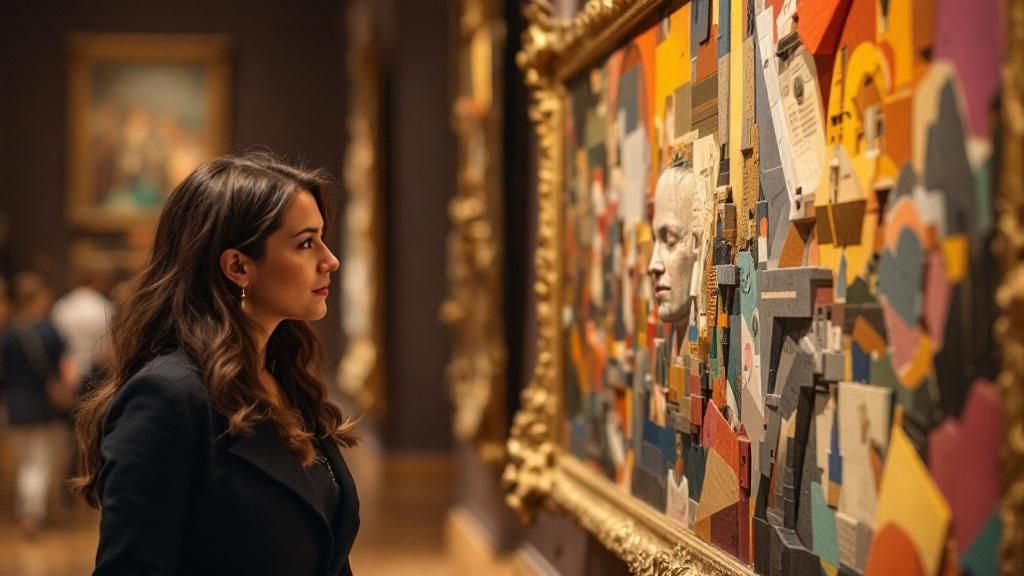
The British Museum has revealed an comprehensive new initiative to protect modern creative works for posterity. In a major dedication to current artistic heritage protection, the museum has disclosed significant financial support for advanced conservation projects intended to overcome the particular issues created by contemporary materials and techniques. This calculated allocation emphasises the institution’s acknowledgement that modern artworks require professional expertise and expertise, ensuring that contemporary artistic creations stay preserved and accessible for the foreseeable future.
Growing Environmental Knowledge
The British Museum’s commitment marks a transformative step in developing premier curatorial capacity carefully adapted to contemporary art. By establishing dedicated research centres and appointing principal authorities in modern materials science, the institution aims to build a comprehensive knowledge base addressing the distinctive conservation demands created by modern artistic creations. This expansion will permit conservators to employ cutting-edge techniques whilst preserving rigorous ethical standards, ensuring that groundbreaking artistic approaches are safeguarded with the same meticulous care historically provided to historical artefacts and treasures.
Central to this project is the recruitment of highly proficient conservators with expertise in contemporary artistic mediums and unconventional materials. The museum recognises that modern creators frequently experiment with plastics, synthetic compounds, digital components, and mixed media that create unprecedented conservation challenges. By forming a diverse team of specialists, the British Museum will become a leading authority in present-day artistic preservation, attracting talented professionals from across the globe and developing collaborative partnerships with other prestigious institutions committed to preserving modern cultural heritage.
Furthermore, the programme features broad educational initiatives designed to cultivate the next generation of heritage specialists. Through apprenticeships, internships, and university collaborations with universities, the British Museum will confirm that contemporary art conservation expertise continues to develop and evolve. This investment in career progression confirms that future conservators have the expert understanding needed to manage emerging preservation challenges, ultimately reinforcing the organisation’s capability to safeguard and sustain contemporary artworks indefinitely.
Strategic Initiatives and Budget Distribution
The British Museum’s financial commitment constitutes a innovative strategy to current artwork conservation, with designated funding directed towards establishing state-of-the-art infrastructure and recruiting expert personnel. This strategic investment prioritises research into innovative preservation methodologies, confronting the unique difficulties posed by modern materials including digital formats, artificial polymers, and multimedia works. The financial framework supports sustainable, long-term development of preservation expertise whilst upholding the museum’s dedication to public engagement and educational programmes.
Partnership Development
Joint collaborations form the cornerstone of the British Museum’s conservation strategy, promoting information sharing with prominent global organisations and research hubs. Through formal partnerships with academic institutions and conservation specialists, the museum strengthens its technical capabilities and access to emerging technologies. These partnerships support cross-institutional training programmes, allowing conservators to develop expert-level capabilities in conserving modern art. The cooperative model bolsters the wider conservation field, establishing standardised best practices across cultural organisations internationally whilst maintaining the British Museum remains at the forefront of contemporary artwork preservation.
The museum has established formal agreements with prominent conservation laboratories and university departments, building robust networks for sharing study results and procedural advances. These partnerships extend beyond conventional institutional limits, including working relationships with creative practitioners, technology specialists, and materials researchers. Such interdisciplinary collaboration guarantees conservation approaches remain responsive to evolving artistic practices and emerging material challenges. The partnerships also enable access to advanced tools and expertise not formerly accessible within individual institutions, substantially improving conservation capacity and capacity.
- Cooperative research endeavours with prominent academic institutions and conservation centres
- Collaborative knowledge agreements with global museum institutions and cultural heritage bodies
- Educational programmes developed jointly with conservation specialists
- Digital partnerships with digital conservation and preservation experts
- Artist involvement initiatives securing contemporary perspectives shape conservation practice
The partnership model reflects the museum’s dedication to establishing enduring conservation systems supporting the entire arts community. By nurturing collaborative relationships, the British Museum supports creating a comprehensive resource framework for present-day artistic preservation. These partnerships yield significant research findings, published widely within academic and professional communities, enhancing preservation methods. The collaborative approach ensures resources are utilised efficiently whilst maximising positive impact across multiple institutions and geographic regions.
Future Impact and Industry Leadership
The British Museum’s commitment to modern artwork preservation establishes a novel precedent for cultural institutions across the United Kingdom and beyond. By pioneering advanced preservation methodologies, the museum establishes itself as a thought leader in managing the changing challenges of current creative mediums. This approach will undoubtedly shape how fellow museums handle their own preservation methods, promoting a partnership model to protecting current pieces that surpasses established sectoral divides and promotes knowledge sharing within the cultural field.
The programme’s ripple effects will reach across the global heritage sector, setting precedents for optimal approaches in managing contemporary mediums. The British Museum’s specialist skills and funding will permit smaller organisations and developing institutions to benefit from collaborative knowledge exchange and specialist advice. Moreover, this programme shows that funding for preservation facilities generates significant benefits, far beyond just preserving artworks but additionally through improving institutional profile and attracting both funding and talented professionals dedicated to current art preservation.
Looking ahead, the British Museum’s financial support will reshape how society values and protects contemporary artistic expression. By establishing robust conservation frameworks now, the institution guarantees that generations to come will be left with a complete archive of twenty-first century creativity. This forward-thinking approach strengthens the museum’s purpose as custodian of human cultural achievement, whilst at the same time encouraging a wider dialogue about our collective responsibility to protect the artistic legacy that shapes our contemporary era.
